
Methodology
The Student-Centred Approach
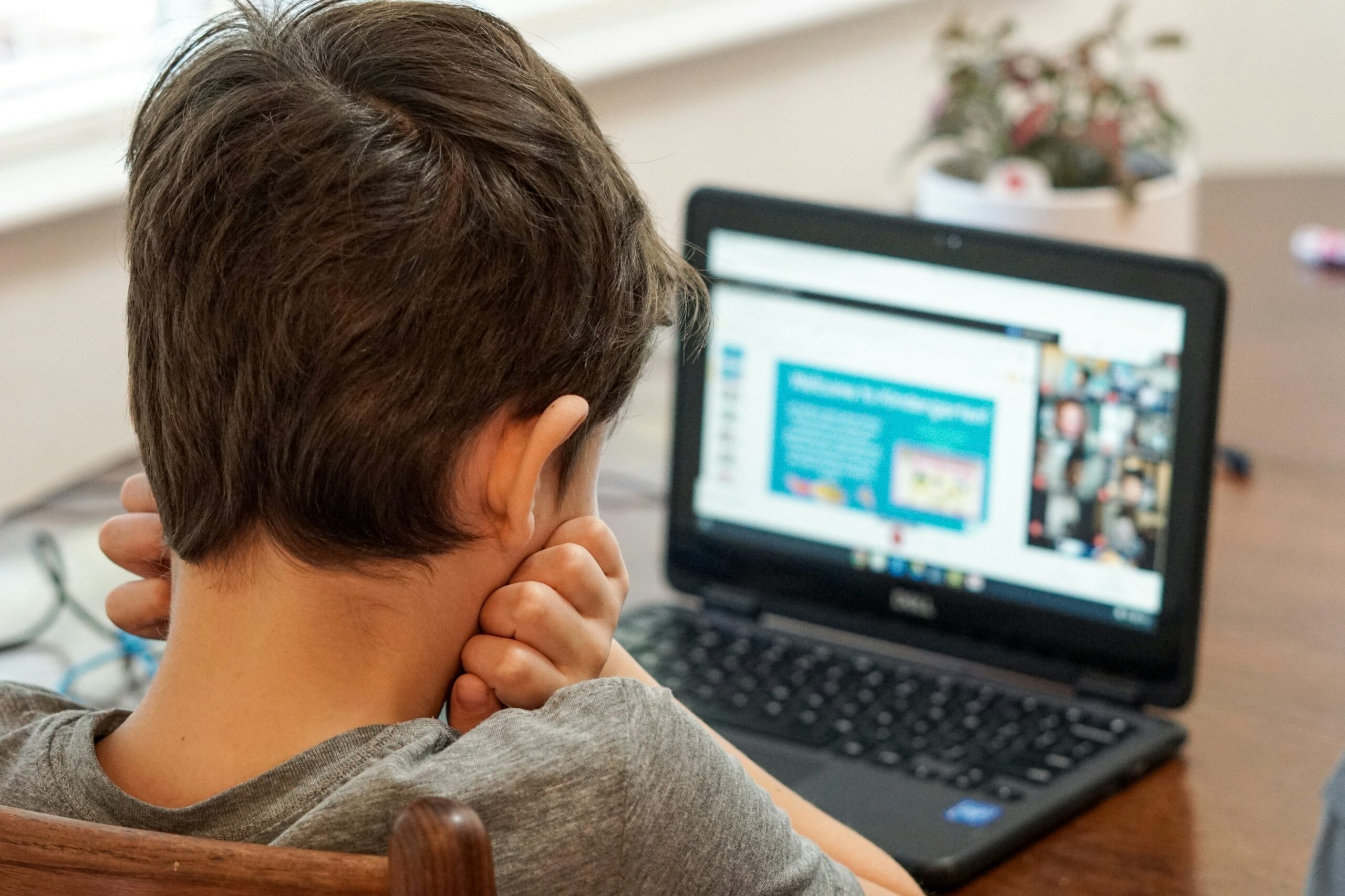
Learning begins with the child
Huw’s student-centred approach is based on the idea that children learn best when teaching connects with who they are.
That means recognising:
- Their interests
- Their strengths
- Their emotional state
- Their sensory needs
- Their learning style
- Their lived experience
Traditional Learning vs Student-Centred Learning
Traditional approaches often rely on:
- Teacher-led instruction
- Listening for long periods
- Textbooks
- Writing-heavy tasks
- Sitting still
- Abstract explanations
Student-centred learning uses:
- Active learning
- Visual and multi-sensory methods
- Movement
- Drama
- Models and practical tasks
- Personal interests
- Creativity
- Choice and autonomy
Huw’s course explicitly contrasts traditional teacher-led, auditory and writing-heavy methods with student-led, active, multi-sensory and visual approaches.
A Therapeutic Learning Environment
For many neurodiverse learners, emotional safety is not an optional extra.
It is the foundation of learning.
If a child feels anxious, ashamed or overwhelmed, they may be unable to concentrate, remember information or take learning risks. Huw’s course explains how anxiety can affect memory, reading and problem-solving.
A therapeutic learning environment is built around:
- Empathy
- Acceptance
- Trust
- Calm communication
- Flexibility
- Genuine connection
The Core Conditions
Huw’s work draws on Carl Rogers’ core conditions:
Empathy
Understanding how the child feels and showing them that their experience matters.
Uncondtional Acceptance
Accepting the child even when they are frustrated, anxious or struggling.
Congruence
Being genuine, honest and authentic in the relationship.
These core conditions are referenced throughout Huw’s student-centred course as part of creating a therapeutic learning environment.
Learning through interests
A child’s interests are not distractions.
They are doorways.
If a child loves football, gaming, animals, cars, music or art, those interests can become the route into reading, writing, maths, memory and communication.
This might mean:
- Reading about a favourite topic
- Writing stories linked to hobbies
- Using sport to explore statistics or maths
- Acting out a concept through drama
- Drawing vocabulary
- Building letters or numbers with clay
- Creating personalised resources
Huw’s course includes examples such as using football, drawing, drama, playdough and sand tray work to support learning.
The Aim
The aim is not just academic progress.
The aim is to help children:
- Feel understood
- Believe they are capable
- Rebuild confidence
- Reduce anxiety
- Discover how they learn best
- Develop resilience
- Experience learning as something positive